HealthyCell needed proof that a new channel adds real demand.
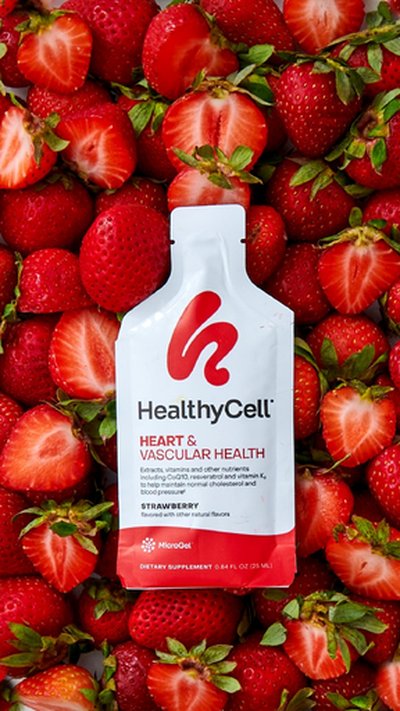
Every DTC brand asks the same question when diversifying off Meta: is a new channel adding real demand, or just re-splitting the same customers under a different name. HealthyCell ran the test directly. Flixr built creative natively for AppLovin Ads and put it head to head against the brand's existing repurposed Meta assets, to find out for real.
3
Native concepts tested
100%
Native casting, real performers





New demand, or the same demand twice
Two things worth separating clearly: who HealthyCell is as a brand, and what they actually needed from Flixr.
HealthyCell sells a science claim: pill-free MICROGEL delivery built specifically for people who struggle to swallow pills. That's a functional, considered purchase, driven by whether it actually works for the buyer.
All of HealthyCell's creative on AppLovin Ads was repurposed from Meta assets, nothing built specifically for the channel. The brand needed to diversify spend away from Meta, but had a real, unanswered question first: would AppLovin Ads actually bring in new demand, or just split the same customers Meta was already reaching.
Three native concepts, one clear test
Rather than guess whether AppLovin Ads could add real demand, Flixr built three native concepts spanning three products in HealthyCell's range, Bioactive Multi, Heart & Vascular Health, and Glucose Support, each testing a different hook, to run against HealthyCell's existing repurposed Meta creative. Each concept below is one of those three bets.
Replaced 14 Pills and Takes 2 Seconds
Cell-Level Decisions
Future Me Is Glad I Did This
Built natively for the channel
Flixr built three native concepts for the channel. Each leads with a specific, concrete claim: pill-replacement, a decision-making angle, and habit integration. That's a direct, product-forward approach, produced for AppLovin Ads from the ground up.
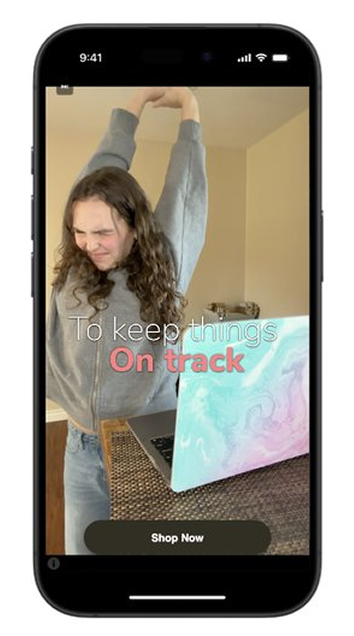
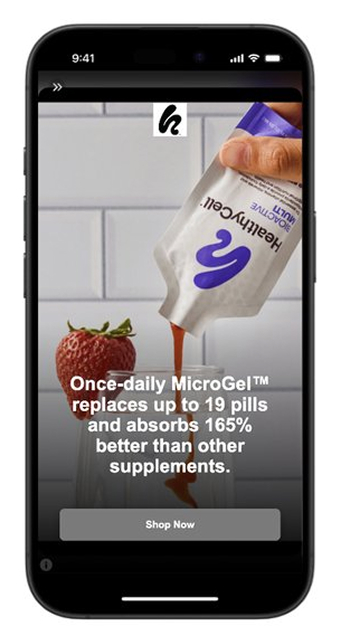
The two AppLovin ad interface examples on file show two different registers: one lifestyle, no product shot, no specific claim; the other leading hard with the numbers, MicroGel replacing pills and outperforming alternatives, stated outright. That range, soft framing versus a hard product claim, is exactly what a bake-off is built to test: which register actually earns the click.
Proof a new channel isn't just splitting your Meta demand
.jpg)
Every DTC brand asks this before shifting budget to a new channel: is this actually new demand, or the same customers reallocated. HealthyCell's bake-off answers it with data. The three native AppLovin Ads concepts, together, outperformed the brand's repurposed Meta baseline on both interaction and purchase, meaning the channel added demand of its own.
That's the argument for treating AppLovin Ads as a genuine diversification move.
Frequently Asked ( questions )
- Learn about your business and goals.
- We audit your creative system to identify bottlenecks, missed signals, and opportunities to accelerate learning.
- Explore how Flixr can support your creative needs.
- Answer any questions you have.